Lost Texts Press
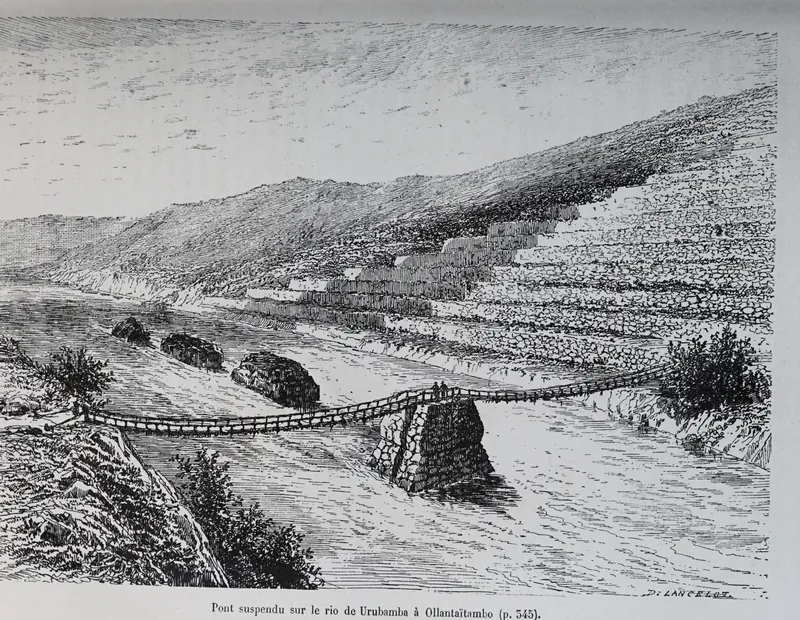
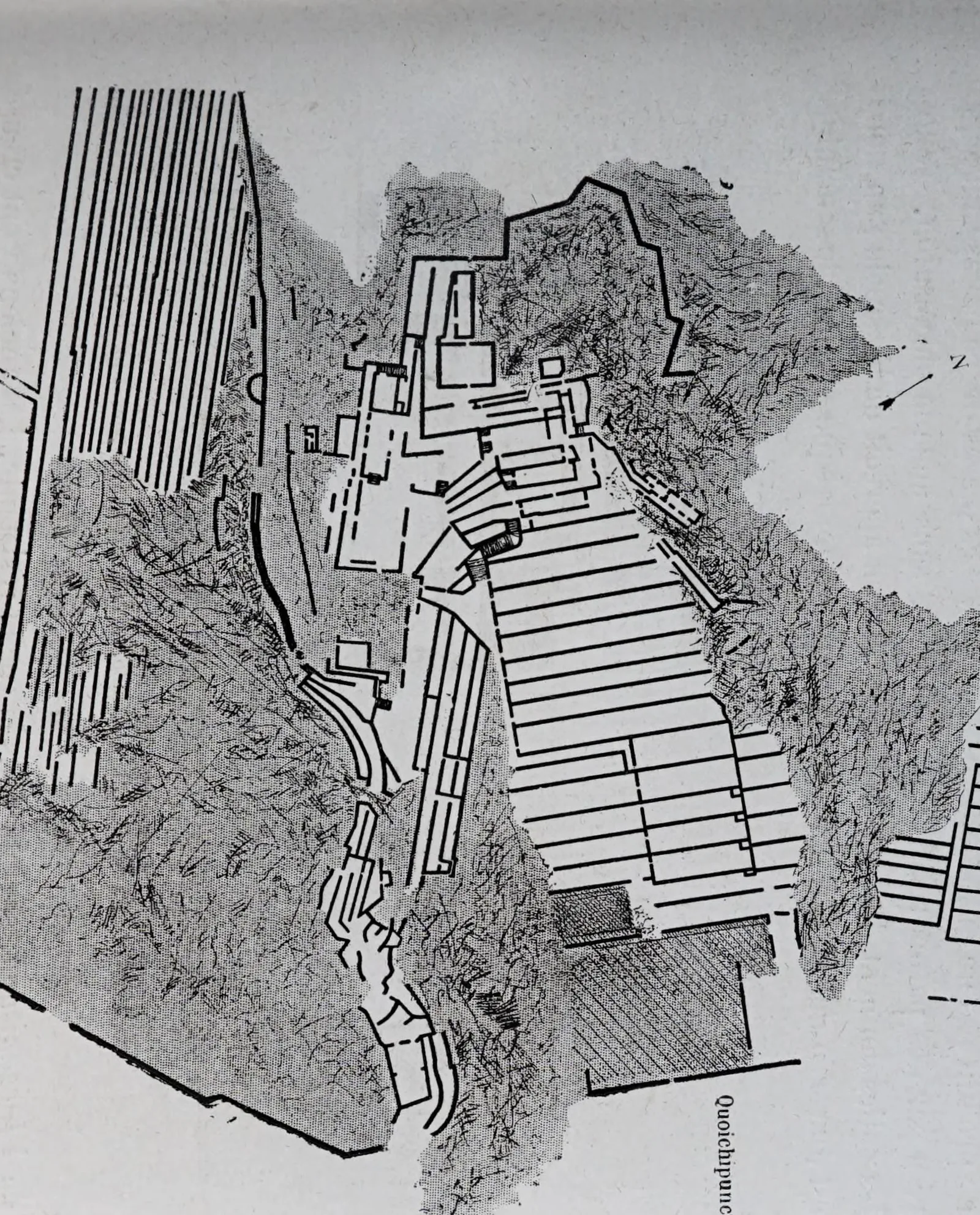
Engraved plan of Ollantaytambo showing terraces, walls and the river bend

Folio 337 · Paris, 1880

Some of the world's greatest expeditions,
translated into English for the first time.

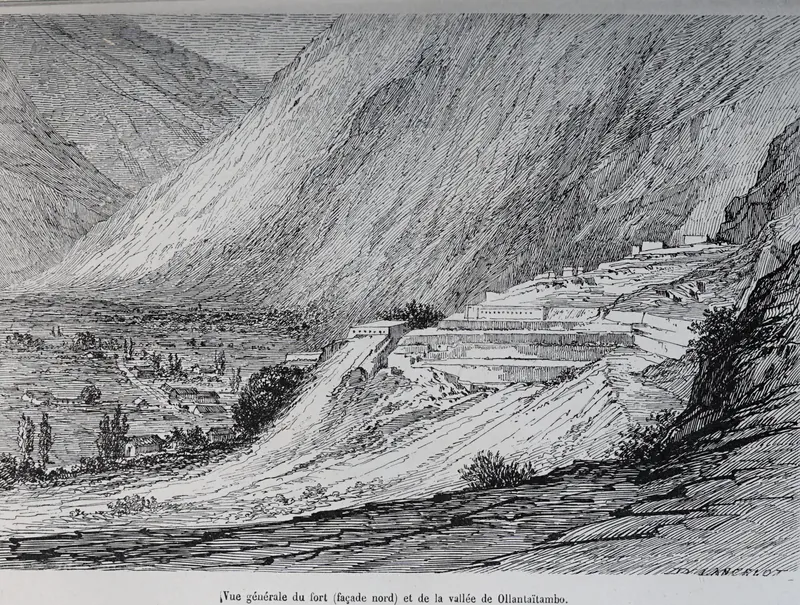
Above: Plan of the fort and its terraces at Ollantaytambo, engraved for Pérou et Bolivie, Paris 1880. The man who surveyed it was three days from Machu Picchu and turned the other way. His account has existed in French for 146 years. This is its first translation into English, introduced by Pascal Riviale of the Archives Nationales de France.

Ordered by Harvard Library, one of the world’s great university libraries · The Dead City of Khara-Khoto

Into the collection

Expeditions recovered 4 translated · 17 under way

The Lost Texts Press edition of Mongolei, Amdo und die tote Stadt Chara-Choto

LT·010Deutsch 1925 Unread in English 101 yrs

The Dead City of Khara-Khoto

Mongolei, Amdo und die tote Stadt Chara-Choto · P. K. Kozlov

Introduction by Tatiana Yusupova Historian of science · Dr. Sc. (History) · S. I. Vavilov Institute for the History of Science and Technology, St Petersburg Branch, Russian Academy of Sciences

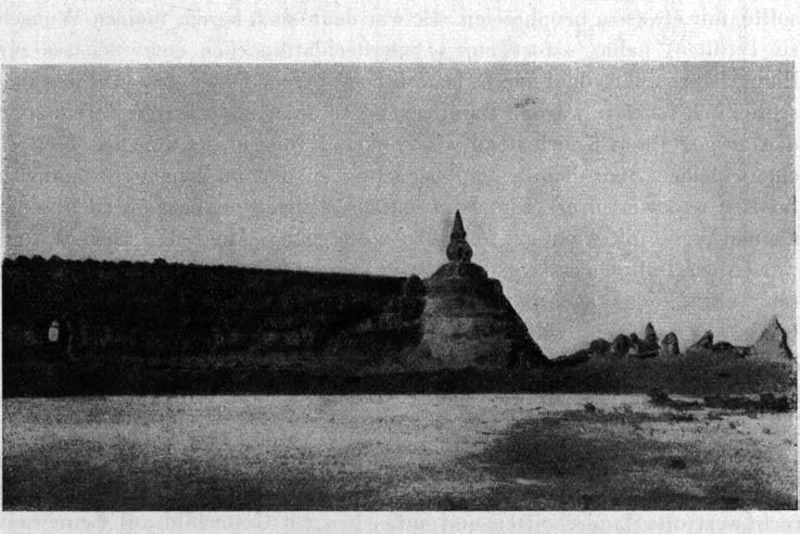
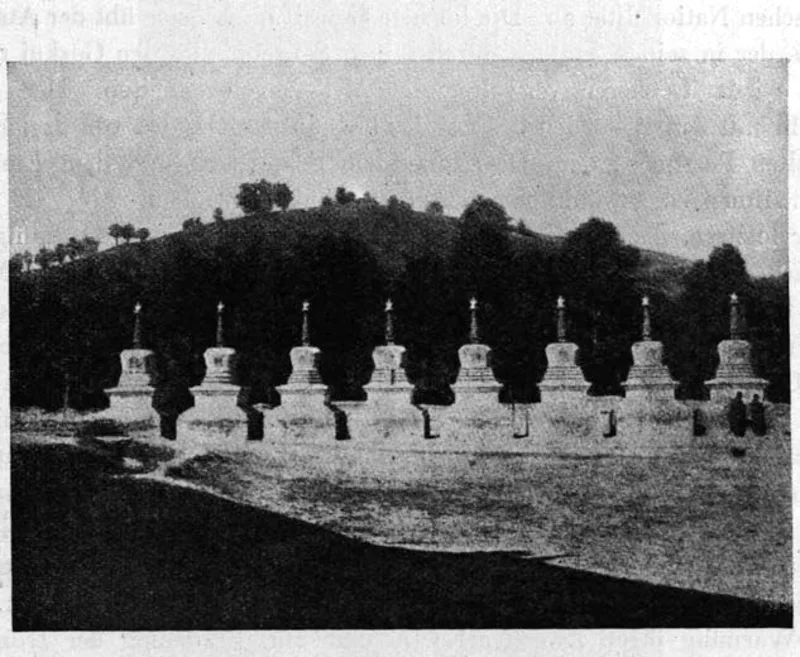
He followed a rumour into the Gobi and opened a stupa outside the wall of a dead city. Inside were thousands of books in a script nobody alive could read.

The full entry

Introduced by the scholars 4 editions · new introductions

Historians of the expeditions themselves now introduce these editions, in introductions written for them and translated into English for the first time.

Introduction to Alexander von Humboldt in Central Asia

“…a combined science of earth and air, as grand and gruesome as the Russian empire itself.”

Patrick Anthony

Marie Skłodowska-Curie Postdoctoral Fellow

Department of History of Science and Ideas · Uppsala University

A historian of Humboldt’s science and its mineral frontiers. His doctorate and his book Unearthed (University of Chicago Press, 2026) follow Humboldt from the mines of Prussia to Mexico and Siberia, and his introduction reads this volume against the Russian empire that made the journey possible.

Read the entry

Introduction to Frozen Ground

“In this respect Middendorff’s work still matters today and has not dated.”

Erki Tammiksaar

Associate Professor in the History of Science

Estonian University of Life Sciences · Associate Professor in the History of Geography, University of Tartu

A historian of Karl Ernst von Baer and of Middendorff’s Siberian expedition, working at Tartu, where both men studied. He introduced the first publication of Baer’s Materialien on the frozen ground of Siberia, the instructions behind this book. He wrote with I. R. Stone the study of the expedition in Polar Record, and with N. G. Sukhova the biography of Middendorff for his bicentenary.

Read the entry

Introduction to Peru and Bolivia

“…certainly one of the finest and most impressive accounts of travel in the Andes that we know.”

Pascal Riviale

Archivist and historian

Archives Nationales de France · Institut Français d’Études Andines, Lima

A historian of the French scientific missions to the Andes. The Archives Nationales hold the official file on Wiener’s mission, and his introduction draws on it directly. He also edited the diary of Théodore Ber, the rival who warned Paris about Wiener and was not believed.

Read the entry

Introduction to The Dead City of Khara-Khoto

“The diaries show, however, that the finds that made Kozlov famous … were the result of a lucky chance.”

Tatiana Yusupova

Historian of science · Dr. Sc. (History)

S. I. Vavilov Institute for the History of Science and Technology · St Petersburg Branch, Russian Academy of Sciences

Editor of the complete diaries of the Mongolia–Sichuan Expedition, the notebooks Kozlov wrote this book from. Her introduction sets the published account beside the diaries, and shows what changed in the twelve years between the expedition and the book.

Read the entry

From the plates Engravings and photographs from the original editions

In translation 13 accounts

Every one of these is a firsthand record of somewhere hard to reach, written by the person who went. Each was read for a generation in its own language and then stopped there, because no one translated it. Not obscure. Not minor. Simply never carried into English. That is still true of thousands more.

How we choose them